

| 상품 안내 및 환불, 교환, 배송문의 | |
| - 가게 전화번호 : | 1544-1900 |
| - 전화문의 시간 : |
오전 9시부터 오후 6시까지 (매주 월요일, 화요일, 수요일, 목요일, 금요일, 공휴일 제외) |
| - 가게 이메일 : | ink@kyobobook.co.kr |
| - 이용 택배회사 : | CJ대한통운 |
|
판매가게정보 |
|
| - 사업자명 : | (주)교보문고 |
| - 사업자등록번호 : | 102-81-11670 |
| - 통신판매업신고 : | 01-0653 |
|
- 현금영수증 : 발급가능 |
|
|
전화주문 및 결제문의 |
|
| - 꽃피는 아침마을 : | 1644-8422 |
|
가게와 직거래를 하시면 꽃송이 적립 및 각종 혜택에서 제외되고, 만일의 문제가 발생하는 경우에도 꽃마의 도움을 받으실 수 없습니다. 가게의 부당한 요구, 불공정 행위 등에 대해서도 꽃마로 직접 전화주세요. |
|

| 상세정보 | 구매후기 (0) | 상품Q&A (0) | 배송/교환/환불 안내 |
책소개한식, 문화를 짓는 맛
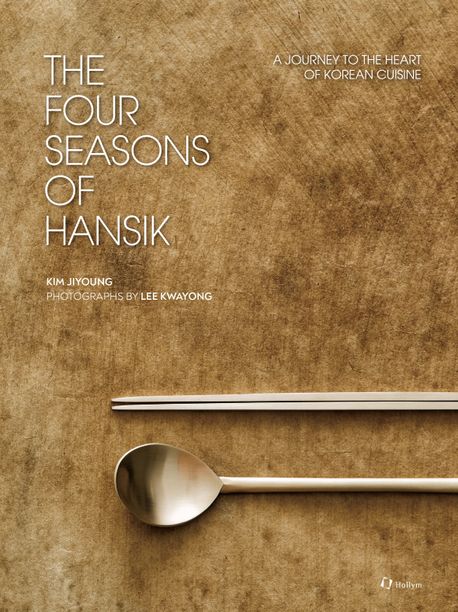
『The Four Seasons of Hansik』은 한국 음식이 단순한 미식이 아니라 삶과 문화를 ‘짓는’ 행위임을 보여주는 책이다. 한국어 동사 ‘짓다’에는 집을 짓고, 옷을 짓고, 밥을 짓는 행위가 모두 담겨 있다. 이는 기술을 넘어 마음과 정성, 관계와 시간을 들여 삶을 세운다는 한국적 창조의 방식을 뜻한다. 이 책은 밥 한 그릇에 담긴 사랑과 안부, 하루를 살아내는 의지를 통해 한식이 어떻게 사람과 공동체, 자연과의 조화를 이루어 왔는지 섬세하게 풀어낸다.
사계절로 읽는 한식의 지혜
한국 음식 문화의 중심에는 뚜렷한 사계절이 있다. 봄에는 나물과 새싹으로 몸의 기운을 깨우고 여름에는 냉면과 보양식으로 더위를 이겨낸다. 가을에는 수확의 풍요를 저장하고 겨울에는 장과 김치 같은 발효 음식으로 시간을 견딘다. 이 책은 절기와 시절식, 명절 음식과 지역 식재료를 따라가며 계절의 흐름에 몸을 맡기고 자연과 조화를 이루어 온 한국인의 식문화를 입체적으로 보여준다.
맛을 넘어 몸을 돌보는 음식
한식의 맛은 오미(五味)와 음양오행의 조화에서 비롯된다. 신맛, 쓴맛, 단맛, 매운맛, 짠맛은 각각의 기능과 의미를 지니며 비빔밥처럼 하나의 그릇 안에서 균형을 이룬다. 한국에서는 예부터 약식동원이라는 전통적 건강 철학을 바탕으로 재료와 음식을 다루었다. 같은 재료라도 조리 방식에 따라 달라지는 성질을 이용해 음식을 단지 배를 채우는 것을 넘어 몸과 마음을 다스리는 생활의 기술로 활용했다.
발효와 자연, 여섯 가지 요소
된장·간장·고추장 등의 장과 김치, 젓갈로 대표되는 발효 음식은 한식의 핵심이다. 이 책은 흙·물·불·돌·나무·바람이라는 여섯 가지 자연 요소가 조리와 저장, 맛의 깊이에 어떻게 관여하는지를 설명하며 시간이 만들어내는 풍미의 가치를 조명한다. 발효는 기다림의 미학이며 한식은 자연과 함께 호흡하며 완성되는 음식 문화임을 드러낸다.
음식에 깃든 미학과 공동체
한식의 멋은 상차림과 그릇, 색과 균형에서 완성된다. 오방색의 미학, 전통 도자기와 목기, 유기의 조화는 음식의 맛을 시각적·문화적 경험으로 확장한다. 또한 여러 반찬을 나누어 먹는 식사 문화는 공동체와 배려, 정을 중시해 온 한국 사회의 가치관을 반영한다. 이 책은 궁중·반가·사찰 음식을 다양한 각도에서 살펴보며 다른 철학이 어떻게 한식의 스펙트럼을 넓혀 왔는지 보여준다.
한식으로 만나는 한국의 삶
이 책에서 저자는 계절과 땅, 사람과 기억이 어우러진 음식 이야기를 통해 한국인의 삶의 방식과 세계관을 전한다. 한 그릇의 밥에서 시작해 사계절을 건너는 이 여정은 한식이 곧 한국 문화와 역사를 보여 주는 또 하나의 언어임을 증명한다.
“Hansik is not just food-it is a living culture shaped by nature, philosophy, and the Korean way of life.”
Food as Culture, Not Merely Cuisine
Rooted in centuries of history and shaped by Korea’s natural environment, philosophy, and way of life, hansik-Korean cuisine-is far more than a collection of dishes. It is a living cultural system that reflects how Koreans understand nature, community, and the human body. Four Seasons of Hansik invites readers to encounter Korean culture through food, revealing how everyday meals embody emotional sensibilities, aesthetic values, and a deep respect for balance and harmony.
A Cuisine Shaped by Land, Sea, and Seasons
Korea’s geography and four distinct seasons have shaped a cuisine deeply attuned to nature. Surrounded by seas and rich in mountains and plains, the Korean Peninsula fostered a food culture centered on rice, seafood, wild greens, and fermented staples. Seasonal foods (sijeolsik)-from spring herbs and summer stamina dishes to autumn harvest foods and winter fermentation-reflect the belief that food and medicine share the same origin. Eating in season is presented not only as a culinary preference, but as a philosophy of living in rhythm with nature.
Yin-Yang, the Five Elements, and the Harmony of Taste
Central to hansik is the harmony of yin and yang and the Five Elements, which guide the balance of flavors, colors, and ingredients. Sour, bitter, sweet, spicy, and salty tastes are combined to nourish specific organs and maintain bodily equilibrium. Dishes such as bibimbap exemplify this principle, blending multiple flavors and colors into a single, balanced whole. The book also introduces gamchilmat, the deep umami flavor born from fermentation and time, which has become a defining characteristic of Korean taste.
Fermentation and the Depth of Flavor
Fermented foods such as kimchi, doenjang, gochujang, and jeotgal form the backbone of Korean cuisine. Through carefully managed fermentation, these foods develop complex layers of flavor that deepen over time. The book shows how fermentation is not only a method of preservation, but a cultural practice that connects Korean food to nature, patience, and collective memory-qualities increasingly valued in contemporary global food culture.
Elegance, Restraint, and the Korean Table
Beyond taste, Four Seasons of Hansik explores the elegance and restraint that define Korean food culture. Values such as moderation, balance, and communal sharing are reflected in table settings, side dishes, and traditional vessels including celadon, white porcelain, onggi, woodenware, and bangjja yugi (brassware). Food is presented without excess, emphasizing harmony between people, nature, and the table.
Hansik as Living Cultural Heritage
By weaving together philosophy, regional foodways, seasonal customs, and aesthetic traditions, this book offers an immersive introduction to Korean cuisine as cultural heritage. It invites readers to see hansik not simply as what Koreans eat, but as how they live-how a single bowl of rice can carry history, care, and a way of life, and how Korean cuisine continues to speak to the modern world through timeless principles of balance and harmony.
상세이미지 저자소개저자 : Kim Jiyoung
김지영 셰프는 궁중·반가 음식의 정통성을 현대적 미감으로 재해석하는 한식 파인 다이닝 레스토랑 ‘규반(Gyuban)’의 오너셰프이자 한국 음식문화의 깊이와 너비를 세계에 전하는 스토리텔러이다. 궁중음식연구원에서 조선 왕실 음식의 뿌리를 체계적으로 익힌 김지영 셰프는 드라마 〈대장금〉에서 궁중음식 자문 및 조리·연출을 맡아 전통 한식의 진정성을 알리는 데 중요한 역할을 했다. 이후 일본·중국 등 해외 한식 레스토랑에서의 경험을 통해 한국 음식의 가치를 세계 무대에 펼쳐 보이는 데 앞장서 왔다.
현재 서울 을지로 ‘규반’을 운영하며 고서 기록에 기반한 왕실 수라상과 사계절 제철 식재료를 현대적으로 풀어내 한국의 자연·문화·맛을 하나의 ‘경험하는 미식’으로 제시하고 있다.
Owner-Chef, Korean Fine Dining Restaurant Gyuban
Kim Jiyoung is a Korean chef whose work reexamines traditional Korean cuisine through historical inquiry and contemporary practice. Drawing on Joseon-era texts and classical cookbooks, she interprets ingredients, techniques, seasonality, and the philosophy of the Five Elements in a refined modern culinary language.
Since opening Gyuban in Seoul in 2018, Kim has focused on a research-based approach grounded in documented sources, translating culinary heritage into thoughtful fine dining rather than speculative reinterpretation.
Earlier in her career, she served as the culinary director for the television drama Dae Jang Geum, overseeing the authentic recreation of royal court cuisine. She later worked as an executive chef in Japan and China and spent more than a decade at a members-only dining club in Korea. Through her work, Kim presents Korean cuisine as a living cultural language shaped by history, philosophy, and sensory experience.
사진 : Lee Kwayong
중앙대학교 사진학과를 졸업하고 KARMA studio, LIGHT studio에서 사진작가로 근무했으며 현재 BRICK studio와 15 studio의 대표를 맡아 다양한 사진작업을 진행 중이다. 제일기획, 현대, 신세계, 삼성전자 등의 기업 홍보 사진을 찍었고 문학동네, 북하우스, 문학과 지성사 등의 출판사와도 협업했다. ㈜한샘과 메종의 포토디렉터로도 활동 중이다.
Lee Gwayong graduated from the Department of Photography at Chung-Ang University. He previously worked as a photographer at KARMA Studio and LIGHT Studio, and currently serves as the head of BRICK Studio and 15 Studio, where he continues to pursue a wide range of photographic projects.
His work includes corporate promotional photography for major companies such as Cheil Worldwide, Hyundai, Shinsegae, and Samsung Electronics. He has also collaborated with leading Korean publishers including Munhakdongne, Bookhouse, and Moonji Publishing. In addition, he is active as a photo director for Hanssem Co., Ltd. and Maison.
목차Prologue
Elegance Beyond Delicacies in Hansik
Hallyu: Spawning Culture through Food
The Flavors of Korean Cuisine
The Style of Korean Cuisine
The Four Seasons of Hansik
Spring
Summer
Autumn
Winter
Epilogue |
| 교환 및 환불 가능 |
상품에 문제가 있을 경우 |
1) 상품이 표시/광고된 내용과 다르거나 불량(부패, 변질, 파손, 표기오류, 이물혼입, 중량미달)이 발생한 경우 - 신선식품, 냉장식품, 냉동식품 : 수령일 다음날까지 신청 - 기타 상품 : 수령일로부터 30일 이내, 그 사실을 안 날 또는 알 수 있었던 날로부터 30일 이내 신청 2) 교환 및 환불신청 시 판매자는 상품의 상태를 확인할 수 있는 사진을 요청할 수 있으며 상품의 문제 정도에 따라 재배송, 일부환불, 전체환불이 진행됩니다. 반품에 따른 비용은 판매자 부담이며 환불은 반품도착일로부터 영업일 기준 3일 이내에 완료됩니다. |
|
단순변심 및 주문착오의 경우 |
1) 신선식품, 냉장식품, 냉동식품 재판매가 어려운 상품의 특성상, 교환 및 환불이 어렵습니다. 2) 화장품 피부 트러블 발생 시 전문의 진단서 및 소견서를 제출하시면 환불 가능합니다. 이 경우 제반비용은 소비자 부담이며, 배송비는 판매자가 부담합니다. 해당 화장품과 피부 트러블과의 상당한 인과관계가 인정되는 경우 또는 질환치료 목적의 경우에는 진단서 발급비용을 판매자가 부담합니다. 3) 기타 상품 수령일로부터 7일 이내 신청, 왕복배송비는 소비자 부담 4) 모니터 해상도의 차이로 색상이나 이미지가 다른 경우 단순변심에 의한 교환 및 환불이 제한될 수 있습니다. |
|
| 교환 및 환불 불가 |
1) 신청기한이 지난 경우 2) 소비자의 과실로 인해 상품 및 구성품의 전체 또는 일부가 없어지거나 훼손, 오염되었을 경우 3) 개봉하여 이미 섭취하였거나 사용(착용 및 설치 포함)해 상품 및 구성품의 가치가 손상된 경우 4) 시간이 경과하여 상품의 가치가 현저히 감소한 경우 5) 상세정보 또는 사용설명서에 안내된 주의사항 및 보관방법을 지키지 않은 경우 6) 사전예약 또는 주문제작으로 통해 소비자의 주문에 따라 개별적으로 생산되는 상품이 이미 제작진행된 경우 7) 복제가 가능한 상품 등의 포장을 훼손한 경우 8) 맛, 향, 색 등 단순 기호차이에 의한 경우 |
|



 카테고리
카테고리
