

| 상품 안내 및 환불, 교환, 배송문의 | |
| - 가게 전화번호 : | 1544-1900 |
| - 전화문의 시간 : |
오전 9시부터 오후 6시까지 (매주 월요일, 화요일, 수요일, 목요일, 금요일, 공휴일 제외) |
| - 가게 이메일 : | ink@kyobobook.co.kr |
| - 이용 택배회사 : | CJ대한통운 |
|
판매가게정보 |
|
| - 사업자명 : | (주)교보문고 |
| - 사업자등록번호 : | 102-81-11670 |
| - 통신판매업신고 : | 01-0653 |
|
- 현금영수증 : 발급가능 |
|
|
전화주문 및 결제문의 |
|
| - 꽃피는 아침마을 : | 1644-8422 |
|
가게와 직거래를 하시면 꽃송이 적립 및 각종 혜택에서 제외되고, 만일의 문제가 발생하는 경우에도 꽃마의 도움을 받으실 수 없습니다. 가게의 부당한 요구, 불공정 행위 등에 대해서도 꽃마로 직접 전화주세요. |
|

| 상세정보 | 구매후기 (0) | 상품Q&A (0) | 배송/교환/환불 안내 |
책소개Preface
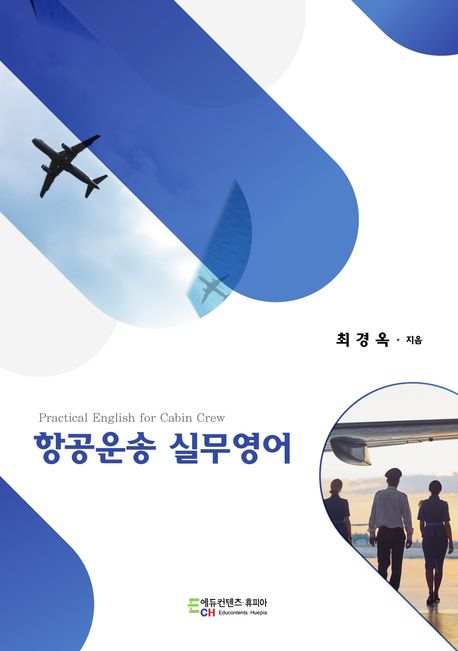
Welcome to Practical English for Cabin Crew, a textbook designed to equip future flight attendants with the English communication skills essential for delivering professional, safe, and customer-focused service on board.
As international air travel continues to grow, English has become the global language of aviation. Cabin crew members are expected not only to ensure passenger comfort but also to manage a wide range of in-flight situations with clear and confident communication. This textbook was created with that purpose in mind - to help learners develop both the language and the situational awareness required for success in this fast-paced industry.
The content of this book is organized according to the phases of flight, guiding students through realistic tasks and dialogues from pre-flight briefing to post-flight duties. Each unit features:
● Learning objectives for practical skill development
● Thematic vocabulary and expressions commonly used in aviation
● Realistic dialogues and role-play activities
● Comprehension checks and wrap-up quizzes for self-assessment
Special attention has been given to role-play and scenario-based learning, encouraging students to build confidence by simulating real in-flight situations, such as handling service disruptions, making announcements, assisting passengers, and managing emergencies - all in English.
This book is ideal for use in university-level aviation English classes, airline training programs, or individual preparation for cabin crew interviews. Whether you are just beginning your journey or preparing to take flight in your career, we hope this textbook helps you soar toward your goals with confidence, professionalism, and poise.
Thank you for choosing English for Cabin Crew.
We wish you a safe and successful journey ahead.
상세이미지 목차Part 1 Before Take-off
Unit 01. The Pre-Flight Briefing
Unit 02. Cabin Preparation
Unit 03. Passenger Boarding & Greeting
Unit 04. Handling carry-on baggage and special handling passengers
Unit 05. Pre-Departure Announcements & Checks
Part 2 After Take-off
Unit 06. In-flight Service Preparation
Unit 07. Meal & Beverage Service
Unit 08. Dealing with Passenger Requests
Unit 09. Handling In-flight Issues
Part 3 After Landing
Unit 10. Preparing for Landing
Unit 11. Arrival Procedures
Unit 12. Post-Flight Duties & Debriefing
출판사 서평Introduction
Welcome to English for Cabin Crew!
This course is specifically designed for students who dream of becoming professional cabin crew members. In the airline industry, flight attendants are not only responsible for ensuring safety and comfort but also serve as ambassadors of the airline. To succeed in this highly globalized field, strong English communication skills are essential.
● Why English Matters in the Skies
English is the international language of aviation. Cabin crew must be able to communicate clearly with passengers from different countries, relay information to the cockpit, and collaborate with ground staff and colleagues all in English. Whether giving safety announcements, handling in-flight service, or managing unexpected situations, effective communication in English is a key part of delivering excellent service.
● What You Will Learn
This course helps you build the essential language skills and professional mindset needed for a successful career as a cabin crew member. You will:
1. Master Cabin Crew Vocabulary
1.1. Learn aviation-related words and phrases used in service, safety, and emergency situations.
2. Practice Real-Life Scenarios
2.1. Build confidence through dialogues and role-plays based on actual in-flight situations.
3. Improve Speaking and Listening Skills
3.1. Practice responding appropriately to announcements, requests, and passenger needs.
4. Develop Polished Service Language
4.1. Learn how to speak politely, resolve problems calmly, and show empathy - the heart of excellent customer service.
● Course Structure
This book is organized according to the three main phases of flight:
1. Before Take-Off
4.2. Pre-flight briefing, cabin preparation, boarding procedures, and announcements
2. During the Flight
4.3. In-flight service, handling passenger requests, managing safety and medical issues
3. After Landing
4.4. Arrival procedures, farewell communication, and post-flight duties
Each unit includes essential vocabulary, practical expressions, situation- based dialogues, comprehension checks, and role-play activities to help you build both language proficiency and professional competence.
Whether you are preparing for a cabin crew interview, training for your first airline position, or simply looking to improve your aviation English, this course is your step-by-step guide to taking off with confidence. |
| 교환 및 환불 가능 |
상품에 문제가 있을 경우 |
1) 상품이 표시/광고된 내용과 다르거나 불량(부패, 변질, 파손, 표기오류, 이물혼입, 중량미달)이 발생한 경우 - 신선식품, 냉장식품, 냉동식품 : 수령일 다음날까지 신청 - 기타 상품 : 수령일로부터 30일 이내, 그 사실을 안 날 또는 알 수 있었던 날로부터 30일 이내 신청 2) 교환 및 환불신청 시 판매자는 상품의 상태를 확인할 수 있는 사진을 요청할 수 있으며 상품의 문제 정도에 따라 재배송, 일부환불, 전체환불이 진행됩니다. 반품에 따른 비용은 판매자 부담이며 환불은 반품도착일로부터 영업일 기준 3일 이내에 완료됩니다. |
|
단순변심 및 주문착오의 경우 |
1) 신선식품, 냉장식품, 냉동식품 재판매가 어려운 상품의 특성상, 교환 및 환불이 어렵습니다. 2) 화장품 피부 트러블 발생 시 전문의 진단서 및 소견서를 제출하시면 환불 가능합니다. 이 경우 제반비용은 소비자 부담이며, 배송비는 판매자가 부담합니다. 해당 화장품과 피부 트러블과의 상당한 인과관계가 인정되는 경우 또는 질환치료 목적의 경우에는 진단서 발급비용을 판매자가 부담합니다. 3) 기타 상품 수령일로부터 7일 이내 신청, 왕복배송비는 소비자 부담 4) 모니터 해상도의 차이로 색상이나 이미지가 다른 경우 단순변심에 의한 교환 및 환불이 제한될 수 있습니다. |
|
| 교환 및 환불 불가 |
1) 신청기한이 지난 경우 2) 소비자의 과실로 인해 상품 및 구성품의 전체 또는 일부가 없어지거나 훼손, 오염되었을 경우 3) 개봉하여 이미 섭취하였거나 사용(착용 및 설치 포함)해 상품 및 구성품의 가치가 손상된 경우 4) 시간이 경과하여 상품의 가치가 현저히 감소한 경우 5) 상세정보 또는 사용설명서에 안내된 주의사항 및 보관방법을 지키지 않은 경우 6) 사전예약 또는 주문제작으로 통해 소비자의 주문에 따라 개별적으로 생산되는 상품이 이미 제작진행된 경우 7) 복제가 가능한 상품 등의 포장을 훼손한 경우 8) 맛, 향, 색 등 단순 기호차이에 의한 경우 |
|




 카테고리
카테고리
