

| 상품 안내 및 환불, 교환, 배송문의 | |
| - 가게 전화번호 : | 1544-1900 |
| - 전화문의 시간 : |
오전 9시부터 오후 6시까지 (매주 월요일, 화요일, 수요일, 목요일, 금요일, 공휴일 제외) |
| - 가게 이메일 : | ink@kyobobook.co.kr |
| - 이용 택배회사 : | CJ대한통운 |
|
판매가게정보 |
|
| - 사업자명 : | (주)교보문고 |
| - 사업자등록번호 : | 102-81-11670 |
| - 통신판매업신고 : | 01-0653 |
|
- 현금영수증 : 발급가능 |
|
|
전화주문 및 결제문의 |
|
| - 꽃피는 아침마을 : | 1644-8422 |
|
가게와 직거래를 하시면 꽃송이 적립 및 각종 혜택에서 제외되고, 만일의 문제가 발생하는 경우에도 꽃마의 도움을 받으실 수 없습니다. 가게의 부당한 요구, 불공정 행위 등에 대해서도 꽃마로 직접 전화주세요. |
|

| 상세정보 | 구매후기 (0) | 상품Q&A (0) | 배송/교환/환불 안내 |
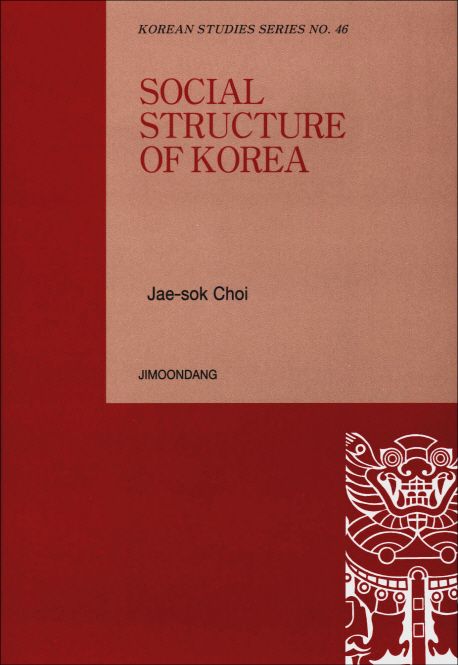
책소개본서는 13편의 논문으로 이루어져 있다. 가족에 관한 11편의 논문 가운데 가장 흥미롭고 중요한 논고는 17세기의 가족 내지 친족 변동에 관한 논고이다.
상세이미지 목차Chapter 1. THE CHARACTERISTICS OF KOREAN SOCIETY -with Emphasis on Its Family System-
Chapter 2. PROCESS OF CHANGING IN KOREAN FAMILY LIFE
Ⅰ. Introduction
Ⅱ. Traditional Family Life
Ⅲ. Marriage
Ⅳ. Family Composition
Ⅴ. Husband-Wife Relation
Ⅵ. Individual Differentiation
Ⅶ. Conclusion
Chapter 3. FAMILY LIFE IN KOREA
Ⅰ. Introduction
Ⅱ. Marriage
Ⅲ. Family
Chapter 4. COMPARATIVE STUDY ON THE TRADITIONAL FAMILIES IN KOREA, JAPAN AND CHINA
Ⅰ. Introduction
Ⅱ. Blood Relationship and Family Member
Ⅲ. Ancestor Worship and Family Pattern
Ⅳ. Social Status of Family
Ⅴ. Family-Dividing Phenomenon
Ⅵ. Family Property and Inheritance
Ⅶ. Endogamy and Exogamy
Chapter 5. FAMILY RELATIONS AND EDUCATION IN KOREA
Ⅰ. Preface
Ⅱ. Traditional Family Relations
Ⅲ. Present Family Relations
Ⅳ. Course of Education
Chapter 6. KOREAN FAMILY SYSTEM
Ⅰ. Marriage
Ⅱ. Family Life
Ⅲ. Succession
Ⅳ. Relatives
Chapter 7. FAMILIES IN JEJU ISLAND
Ⅰ. Foreword
Ⅱ. Pattern and Role Structure of Families
Ⅲ. Power structure of families
Ⅳ. Divorce and Remarriage
Ⅴ. Village Endogamy and Organization of Kinship
Ⅵ. Conclusion
Chapter 8. LINEAGE ORGANIZATION AND ITS FUNCTIONS IN KOREA -A Case Study of Hadong Jeong-ssi-
Ⅰ. Descent Groups on Different Levels
Ⅱ. Family and Dang-nae
Ⅲ. O-jong-gye and Its Functions
Ⅳ. Chil-jong-gye and Its Functions
Ⅴ. So-jong-gye and Its Functions
Ⅵ. Dae-jong-gye and Its Functions
Ⅶ. Hadong Jeong-ssi Clan
Ⅷ. Conclusion
Chapter 9. FAMILY AND KINSHIP ORGANIZATION IN KOREA
Ⅰ. Families
Ⅱ. Kinship Organizations
Chapter 10. THE PECULIARITY OF THE TRADITIONAL KOREAN FAMILY
Ⅰ. Foreword
Ⅱ. Marriage residence and family life
Ⅲ. Ancestral Rites and Adoption System
Ⅳ. Property inheritance and village endogamy
Ⅴ. The form of the family and patriarchal family
Ⅵ. Conclusion
Chapter 11. CHANGES IN KINSHIP STRUCTURE IN THE 17th CENTURY
Ⅰ. Foreword
Ⅱ. Family Pattern
Ⅲ. Inheritance System
Ⅳ. Adoption System
Ⅴ. The Formation of groups with the same surname (Lineage)
Ⅵ. Conclusion
Chapter 12. A SOCIOLOGICAL SURVEY OF SINDOAN RELIGIOUS COMMUNITY
Ⅰ. Purpose and methods of survey
Ⅱ. Outline description and economic background of the community under survey
Ⅲ. Observation of the religious groups
Ⅳ. Conclusion
Chapter 13. A CRITICISM OF M. DEUCHLER'S THECONFUCIAN TRANSFORMATION OFKOREA WITH REFERENCE TO PRECEDING STUDIES
Ⅰ. Introduction
Ⅱ. Criticism of Studies on the Kinship of Silla / GoryeoPeriods
Ⅲ. Criticism of Kinship in the Joseon Dynasty
Ⅳ. Comparison between Earlier Studies on Changes in 17th Century Social Structure and Deuchler's Studies
Ⅴ. Conclusion
Index
출판사 서평본서는 13편의 논문으로 이루어져 있다. 가족에 관한 11편의 논문 가운데 가장 흥미롭고 중요한 논고는 17세기의 가족 내지 친족 변동에 관한 논고이다. 가족이나 친족 구조에 커다란 영향을 주는 혼인 거주 규칙에 있어서 고려시대는 사위가 처가에 체류하는 이른바 서류부가(?留婦家)의 기간이 길었으나 조선 전기를 지나 후기에 이를수록 그 기간이 단축되었다.
이러한 가족?친족제의 변화가 주로 17세기, 즉 조선중기에 변화한 이유는 17세기에 유교의 종법사상이 일반 민중생활에까지 보급되었기 때문이다. 두 번째는, 조선 중기 이후의 격화된 정치집단 내의 갈등에 대처하는 방법으로 부계친 내지는 남자 중심의 친족집단 조직화의 필요성 때문일 것으로 보인다. 세 번째는, 임진왜란 이후의 경제적 궁핍을 극복하기 위해서는 무엇보다도 사회집단을 조직화해야 했기 때문이다. 자녀균분상속보다는 장자우대상속이, 부계?모계보다는 부계 위주의 친족의 조직화가, 그리고 가계의 단절보다는 양자에 의한 자손의 번성과 조상 유지의 실천 등이 어떤 시기에 있어서는 훨씬 능률적으로 경제발전을 도모할 수 있기 때문이다. 네 번째는, 신분제의 붕괴에 대처하여 양반계급의 신분과 지위를 유지하기 위하여 부계중심의 친족집단이 조직화된 것이 아닌가 한다.
Thirteen theses comprise this book. Among theses on Korean family the most interesting and important are those dealing with the changes in the structure of Korean family and kinsfolk. What was most influential was marriage residence rule. Matrilocal period was comparatively long and extended to the end of the Koryo dynasty. Matrilocal term was, however, gradually shortened in the Choseon dynasty, are was drastically curtailed at the end of the dynasty, hence the change in two constituents of family.
The reasons why these changes in the structure of Korean family and kinsfolk took place in the mid-seventeenth century are presumed as follows. First, the ideology of confucianism completely penetrated the daily life of the masses. Second, in order to cope with conflicts of political groups patrilineal or male-orientated kinsfolk groups had to be born. Third, so as to overcome the economic indigence in the aftermath of the Japanese Invasion in the last decade of the sixteenth century equal division of property between sons and daughters had to be abolished, and adoption system firmly established to prevent the family line from being broken off. Fourth, with a view to maintaining the status of yangban class strong patrilineal clans had to be organized. |
| 교환 및 환불 가능 |
상품에 문제가 있을 경우 |
1) 상품이 표시/광고된 내용과 다르거나 불량(부패, 변질, 파손, 표기오류, 이물혼입, 중량미달)이 발생한 경우 - 신선식품, 냉장식품, 냉동식품 : 수령일 다음날까지 신청 - 기타 상품 : 수령일로부터 30일 이내, 그 사실을 안 날 또는 알 수 있었던 날로부터 30일 이내 신청 2) 교환 및 환불신청 시 판매자는 상품의 상태를 확인할 수 있는 사진을 요청할 수 있으며 상품의 문제 정도에 따라 재배송, 일부환불, 전체환불이 진행됩니다. 반품에 따른 비용은 판매자 부담이며 환불은 반품도착일로부터 영업일 기준 3일 이내에 완료됩니다. |
|
단순변심 및 주문착오의 경우 |
1) 신선식품, 냉장식품, 냉동식품 재판매가 어려운 상품의 특성상, 교환 및 환불이 어렵습니다. 2) 화장품 피부 트러블 발생 시 전문의 진단서 및 소견서를 제출하시면 환불 가능합니다. 이 경우 제반비용은 소비자 부담이며, 배송비는 판매자가 부담합니다. 해당 화장품과 피부 트러블과의 상당한 인과관계가 인정되는 경우 또는 질환치료 목적의 경우에는 진단서 발급비용을 판매자가 부담합니다. 3) 기타 상품 수령일로부터 7일 이내 신청, 왕복배송비는 소비자 부담 4) 모니터 해상도의 차이로 색상이나 이미지가 다른 경우 단순변심에 의한 교환 및 환불이 제한될 수 있습니다. |
|
| 교환 및 환불 불가 |
1) 신청기한이 지난 경우 2) 소비자의 과실로 인해 상품 및 구성품의 전체 또는 일부가 없어지거나 훼손, 오염되었을 경우 3) 개봉하여 이미 섭취하였거나 사용(착용 및 설치 포함)해 상품 및 구성품의 가치가 손상된 경우 4) 시간이 경과하여 상품의 가치가 현저히 감소한 경우 5) 상세정보 또는 사용설명서에 안내된 주의사항 및 보관방법을 지키지 않은 경우 6) 사전예약 또는 주문제작으로 통해 소비자의 주문에 따라 개별적으로 생산되는 상품이 이미 제작진행된 경우 7) 복제가 가능한 상품 등의 포장을 훼손한 경우 8) 맛, 향, 색 등 단순 기호차이에 의한 경우 |
|



 카테고리
카테고리
