

| 상품 안내 및 환불, 교환, 배송문의 | |
| - 가게 전화번호 : | 1544-1900 |
| - 전화문의 시간 : |
오전 9시부터 오후 6시까지 (매주 월요일, 화요일, 수요일, 목요일, 금요일, 공휴일 제외) |
| - 가게 이메일 : | ink@kyobobook.co.kr |
| - 이용 택배회사 : | CJ대한통운 |
|
판매가게정보 |
|
| - 사업자명 : | (주)교보문고 |
| - 사업자등록번호 : | 102-81-11670 |
| - 통신판매업신고 : | 01-0653 |
|
- 현금영수증 : 발급가능 |
|
|
전화주문 및 결제문의 |
|
| - 꽃피는 아침마을 : | 1644-8422 |
|
가게와 직거래를 하시면 꽃송이 적립 및 각종 혜택에서 제외되고, 만일의 문제가 발생하는 경우에도 꽃마의 도움을 받으실 수 없습니다. 가게의 부당한 요구, 불공정 행위 등에 대해서도 꽃마로 직접 전화주세요. |
|

| 상세정보 | 구매후기 (0) | 상품Q&A (0) | 배송/교환/환불 안내 |
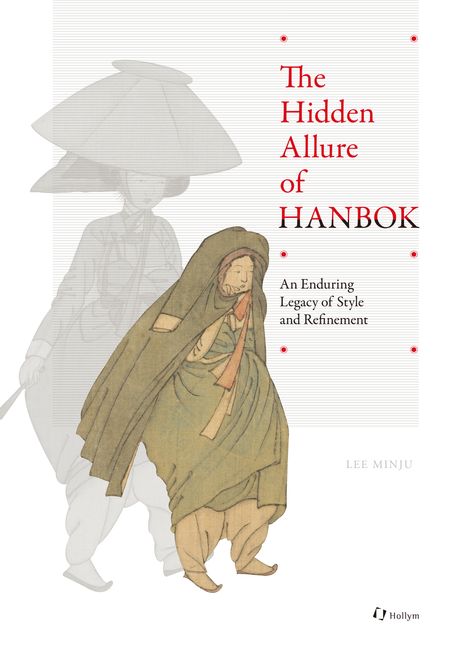
책소개욕망과 미의식, 정체성이 스며든 전통 한복의 세계를 풍부한 시각적 자료와 스토리로 풀어내다
A Visually Rich Journey into the Desires, Aesthetics, and Identities Woven into Korea’s Traditional Dress
패션은 시대와 지역, 세대를 초월해 인간이 꾸준히 관심을 가져온 영역이다. 오늘날 우리가 한복이라 부르는 전통 복식의 형식이 자리 잡은 조선시대 역시 예외는 아니었다. 복식은 단순히 몸을 가리는 수단이 아니라 신분과 성별, 사회적 질서와 더불어 개인의 욕망과 가치관, 미에 대한 감각을 드러내는 중요한 언어였다.
엄격한 신분제 사회 속에서도 사람들은 옷을 통해 자신을 표현하고 정체성을 구축하고자 했다. 단정한 차림을 인간의 덕목으로 여겨 언제나 품위를 지키려 한 이들이 있었는가 하면, 복식을 통해 자신의 사회적 위치를 드러내거나 한 단계 도약하기를 꿈꾸는 이들도 있었다. 머리 모양과 장신구, 허리띠와 복색의 차이는 곧 개인의 의식과 욕망이 투영되는 수단이었다.
『The Hidden Allure of Hanbok』은 이러한 조선시대 복식의 이면에 숨겨진 이야기를 현대적 시각과 언어로 풀어낸다. 회화 자료와 유물, 문헌 기록을 바탕으로 한복을 고정된 전통이 아닌, 절제와 열망, 규범과 개성이 교차하는 살아 있는 미학의 체계로 조명한다.
이 책은 한복을 과거의 유산으로 머물게 하지 않는다. 일상의 옷에 담긴 의미를 하나씩 짚어 나가며, 한복이 어떻게 인간의 욕망과 상상력, 그리고 한국적 미의식을 정교하게 담아내 왔는지를 보여 준다. 『The Hidden Allure of Hanbok』은 오늘날에도 여전히 유효한, 한국 전통 의복과 미라는 오래된 유산을 새롭게 마주하게 하는 안내서다.
Fashion has been a universal human concern across time, place, and culture. In Joseon Korea-where the forms of dress we now recognize as hanbok took shape-clothing was never merely practical or ornamental. What one wore reflected not only social rank and gender roles, but also personal ambition, moral values, and an acute awareness of beauty.
Even within a rigidly hierarchical society, individuals sought ways to express themselves through dress. Some emphasized dignity and propriety, believing that a well-maintained appearance was a moral obligation. Others used clothing as a means to aspire upward, hoping that refined attire might signal status beyond one’s given position. Hairstyles, headgear, belts, and subtle variations in color all became tools through which identity and desire were negotiated.
The Hidden Allure of Hanbok brings these untold stories of Joseon-era fashion into focus through a modern lens and accessible language. Drawing on visual materials, historical records, and cultural context, the book reveals hanbok as a living system of aesthetics-one shaped by restraint and aspiration, tradition and individuality.
By uncovering the meanings embedded in everyday garments, this book invites readers to see hanbok not as static heritage, but as a refined expression of human desire and cultural imagination-an enduring legacy of Korean beauty that continues to resonate today.
상세이미지 저자소개저자 : 이민주
성균관대학교 의상화과를 졸업하고, 성균관대학교 대학원에서 「조선시대 책례의식 및 복식연구」로 박사학위를 받았다. 현재는 왕실 복식은 물론 연구 영역을 확장하여 일반 사대부가의 차림새와 멋내기뿐 아니라 개항기 서구인이 본 한복의 예술성과 창의성을 통해 한복의 아름다움을 재발견하는 데 주목하고 있다.
대표 논저로는 『조선 사람들의 차림새, 멋내기로 통하다』, 『조선 왕실의 미용과 치장』, 『용을 그리고 봉황을 수놓다』, 『치마저고리의 욕망』, 「조선 후기의 패션리더, 기생」, 「외국인의 눈에 비친 개항기 복식문화」 등이 있다.
Lee Minju
Lee Minju graduated from the Department of Fashion Design at Sungkyunkwan University and received her Ph.D. from the same university with a dissertation titled “A Study of the Rituals and Costumes of the Joseon Dynasty.” Her research focuses not only on royal attire but also on the dress and stylistic expressions of the general nobility. She rediscovers the beauty of hanbok through the artistry and creativity of hanbok as perceived by Westerners during the period of the opening of ports.
Her major publications include The Attire of Joseon People: Expressing Style, Beauty and Grooming of the Joseon Royal Family, Drawing Dragons and Embroidering Phoenixes, The Desire of Chimajeogori, Gisaeng: Fashion Leaders of the Late Joseon Dynasty, and Costume Culture of the Opening Period as Seen Through Foreign Eyes.
목차Part 1. IN PURSUIT OF STYLE
The Fashionable Gentlemen of Hanyang: Topknots and Horsehair Headbands
The Land of Hats and Gat
Even If the Neck Breaks: The Burden of Beauty and the Gache
Hats Desired by the French: Jobawi and Nambawi
A Feast of Festivities: White within Off-White and Colors within White
A Shifting Aesthetic Consciousness: Adding a Touch of Flair
Byeolgam: Joseon’s Top Fashion Leaders
Gisaeng: Joseon Entertainers and Style Icons
Undergarments More Stylish Than the Petticoat
Satisfying All Five Senses: The Sound of Beating Cloth
SPECIAL SECTION: Korean Craftsmanship and Hanbok
Part 2. PINING FOR SOCIAL ASCENSION
An Enduring Standard of Beauty: Skin Like White Jade
No More Than Plain Silk and Ramie: The Royal Selection List
Chima Jeogori: The Rediscovery of Femininity
Colorfully Clad, Beauty Enhanced: The Dallyeong
Embroidering Hope for Success
Norigae: Stealing a Gisaeng’s Heart
Becoming King at Last: The Guryumyeon and Gujangbok
Becoming Queen at Last: The Jeokui and Susik
Tears of the Dragon: The Ikseongwan and Gollyongpo
The Cheollik: A Royal Gift Evokes Tears
SPECIAL SECTION: Fashion Style Differences between Korea, China, and Japan |
| 교환 및 환불 가능 |
상품에 문제가 있을 경우 |
1) 상품이 표시/광고된 내용과 다르거나 불량(부패, 변질, 파손, 표기오류, 이물혼입, 중량미달)이 발생한 경우 - 신선식품, 냉장식품, 냉동식품 : 수령일 다음날까지 신청 - 기타 상품 : 수령일로부터 30일 이내, 그 사실을 안 날 또는 알 수 있었던 날로부터 30일 이내 신청 2) 교환 및 환불신청 시 판매자는 상품의 상태를 확인할 수 있는 사진을 요청할 수 있으며 상품의 문제 정도에 따라 재배송, 일부환불, 전체환불이 진행됩니다. 반품에 따른 비용은 판매자 부담이며 환불은 반품도착일로부터 영업일 기준 3일 이내에 완료됩니다. |
|
단순변심 및 주문착오의 경우 |
1) 신선식품, 냉장식품, 냉동식품 재판매가 어려운 상품의 특성상, 교환 및 환불이 어렵습니다. 2) 화장품 피부 트러블 발생 시 전문의 진단서 및 소견서를 제출하시면 환불 가능합니다. 이 경우 제반비용은 소비자 부담이며, 배송비는 판매자가 부담합니다. 해당 화장품과 피부 트러블과의 상당한 인과관계가 인정되는 경우 또는 질환치료 목적의 경우에는 진단서 발급비용을 판매자가 부담합니다. 3) 기타 상품 수령일로부터 7일 이내 신청, 왕복배송비는 소비자 부담 4) 모니터 해상도의 차이로 색상이나 이미지가 다른 경우 단순변심에 의한 교환 및 환불이 제한될 수 있습니다. |
|
| 교환 및 환불 불가 |
1) 신청기한이 지난 경우 2) 소비자의 과실로 인해 상품 및 구성품의 전체 또는 일부가 없어지거나 훼손, 오염되었을 경우 3) 개봉하여 이미 섭취하였거나 사용(착용 및 설치 포함)해 상품 및 구성품의 가치가 손상된 경우 4) 시간이 경과하여 상품의 가치가 현저히 감소한 경우 5) 상세정보 또는 사용설명서에 안내된 주의사항 및 보관방법을 지키지 않은 경우 6) 사전예약 또는 주문제작으로 통해 소비자의 주문에 따라 개별적으로 생산되는 상품이 이미 제작진행된 경우 7) 복제가 가능한 상품 등의 포장을 훼손한 경우 8) 맛, 향, 색 등 단순 기호차이에 의한 경우 |
|



 카테고리
카테고리
