

| 상품 안내 및 환불, 교환, 배송문의 | |
| - 가게 전화번호 : | 1544-1900 |
| - 전화문의 시간 : |
오전 9시부터 오후 6시까지 (매주 월요일, 화요일, 수요일, 목요일, 금요일, 공휴일 제외) |
| - 가게 이메일 : | ink@kyobobook.co.kr |
| - 이용 택배회사 : | CJ대한통운 |
|
판매가게정보 |
|
| - 사업자명 : | (주)교보문고 |
| - 사업자등록번호 : | 102-81-11670 |
| - 통신판매업신고 : | 01-0653 |
|
- 현금영수증 : 발급가능 |
|
|
전화주문 및 결제문의 |
|
| - 꽃피는 아침마을 : | 1644-8422 |
|
가게와 직거래를 하시면 꽃송이 적립 및 각종 혜택에서 제외되고, 만일의 문제가 발생하는 경우에도 꽃마의 도움을 받으실 수 없습니다. 가게의 부당한 요구, 불공정 행위 등에 대해서도 꽃마로 직접 전화주세요. |
|

| 상세정보 | 구매후기 (0) | 상품Q&A (0) | 배송/교환/환불 안내 |
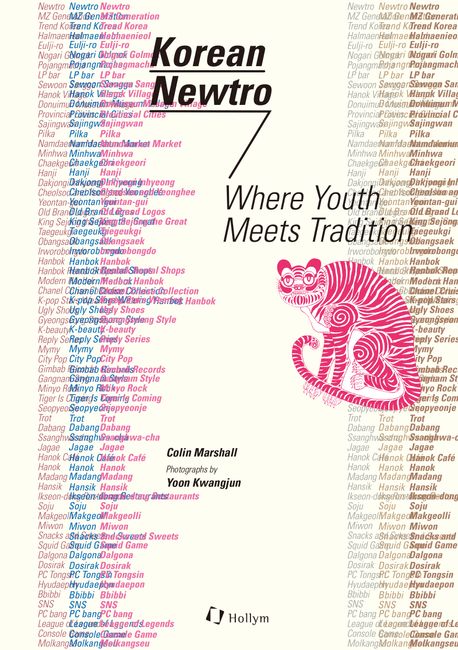
책소개한국은 이제 ‘쿨’하다
오랫동안 수천 년의 전통과 관습을 지켜온 나라로 인식되던 한국은 이제 세계적인 유행과 감각을 만들어내는 문화의 놀이터로 떠올랐다. 이 ‘쿨함’의 중심에는 단연 ‘한류’가 있다. K-팝과 K-드라마를 비롯해 한국 음식과 시선을 사로잡는 패션에 이르기까지 세계는 더 이상 특정 브랜드의 전자제품이나 자동차만이 아닌 전혀 새로운 모습의 한국에 주목하고 있다. 그리고 이러한 변화의 가장 최근 흐름이 바로 한국의 ‘뉴트로’다.
과거를 새롭게 만나다
『Korean Newtro: Where Youth Meets Tradition』에서 서울을 기반으로 활동하는 칼럼니스트이자 에세이스트, 방송인이자 팟캐스트 운영자인 콜린 마셜은 새로우면서도 동시에 복고적인 한국의 문화 전반을 독자들에게 소개한다. 이른바 ‘뉴트로’라 불리는 이 현상은 20년 혹은 100년 전 유행했던 제품과 스타일, 미디어를 직접 경험해 보지 못한 젊은 세대가 그것들을 처음 접하며 새롭게 발견하는 데서 비롯된다. 이 책은 또한 ‘1020 세대’, ‘MZ세대’와 같은 세대 명칭부터 음식·패션·놀이를 아우르는 최신 신조어까지 지금의 한국을 이해하는 데 필요한 새로운 언어와 감각도 함께 다룬다.
익숙한 것을 새롭게 보다
서울 을지로, 이른바 ‘힙지로’의 술집과 포장마차에서 고등어구이, 순대, 삼겹살, 닭발을 안주 삼아 맥주와 소주를 즐기거나, 전국 곳곳의 카페와 다방에서 달걀노른자가 올라간 쌍화차나 막걸리 맛 크림 콜드브루 같은 재해석된 음료를 맛보는 경험까지 독자들은 익숙하면서도 전혀 새롭게 다가오는 감각의 향연을 마주하게 된다.
새롭게 이어지는 기억의 길
이 여정은 필름 카메라와 민화 같은 예술과 전통 가옥과 한지로 대표되는 건축, 과거의 휴대용 음악 기기와 패션 브랜드를 다시 소환한 TV 프로그램과 영화, BTS와 블랙핑크 같은 K-pop 스타들이 입는 현대적 한복으로까지 확장된다. 그 과정에서 회화와 병풍, 패션과 뷰티, 핸드폰, 한때 일상을 지배했던 PC방에 이르기까지 다양한 영역에서 펼쳐지는 뉴트로의 세계가 펼쳐진다.
전통과 젊음, 그리고 세계가 만나는 지점
한국은 과거를 돌아보면서도 동시에 과거에 머물지 않은 채 숨 가쁘게 21세기를 향해 달려왔다. 이러한 모순처럼 보이는 태도야말로 오늘날 한국을 특별하게 만드는 요소다. 어떤 이들은 이를 ‘짬뽕’에 비유한다. 한국식 중화요리의 대표 음식이자 서로 다른 요소들이 뜻밖의 조화를 이루는 혼합을 상징하는 단어다. 이 책은 아직 한국을 방문해 본 적이 없거나 한류를 통해서만 한국을 접해 온 독자들에게 다시금 ‘쿨’해진 한국을 이해하는 가장 완벽한 안내서가 될 것이다.
◈ About the Book
Korea has become cool. While long seen as a bastion of traditions and customs that go back millennia, the country has now emerged as a playground of hip, trendsetting movements. At the heart of this coolness is, of course, Hallyu, the “Korean Wave” that seems to have penetrated every corner of the planet by now. From K-pop and K-dramas to Korean culinary delights and head-turning fashion statements, the world has taken notice of Korea for something other than the cars and electronics that brought it to the world stage in decades past. And the latest development in this evolution of cool is Korean newtro.
Discovering the Past Anew
In Korean Newtro: Where Youth Meets Tradition, Seoul-based essayist, broadcaster, and public speaker Colin Marshall takes readers on a trip through everything in Korea that is both new and retro, or as the cool kids say, newtro. This unique phenomenon is all about appealing to those who are too young today to have experienced the products, styles, and media that were once deemed cool twenty or even a hundred years ago, and so find themselves discovering-and not rediscovering-all these things for the first time. For those not in the know, this will also mean learning some of the latest lingo, from cohort monikers like the “1020 generation” and “MZers” to a cornucopia of new terms that cover everything under the sun, including food, fashion, and fun.
A New Take on the Old
Whether it is the bars and pojangmacha of Seoul’s “Hipji-ro” (Eulji-ro) neighborhood, where you can feast on grilled mackerel, sundae, pork belly, and chicken feet while enjoying some good old-fashioned beer and soju, or the country’s many Starbucks caf?s and dabang, where you can try reimagined classic beverages like ssanghwa-cha (complete with egg yolk) or indulge in a makgeolli-flavored cream cold brew, readers will have their senses inundated by so many things they are at once familiar with yet presented in a completely fresh and unforgettable way.
A Reimagined Memory Lane
This journey down a Korean-style yellow brick road continues into the arts (film cameras and minhwa artworks) and architecture (traditional Korean homes and paper), to the TV shows and movies that have revived bygone portable music players and fashion brands, to the latest styles in hanbok worn by K-pop superstars like BTS and Blackpink. Along the way, readers will also be introduced to the newtro world of paintings, folding screens, fashion, beauty, haendeupon (cellphones), and the once ubiquitous PC bang (internet caf?).
Where Youth Meets Tradition Meets the World
Korea has raced into the 21st century at breakneck speed, both looking back and not looking back at the past. Contradiction though that may seem, it encapsulates so much of what sets the country apart today. Or as some have commented, Korea can now be viewed as something of a jjamppong: a seafood noodle stew that is a staple of Korean Chinese cuisine, but also a byword for a mixture of diverse and sometimes improbably combined elements. For those who have never been to Korea-or even those not familiar with much about Korea outside of Hallyu-Korean Newtro: Where Youth Meets Tradition is the perfect guide to all that is hip once again in a country redefining itself as the new bastion of cool.
상세이미지 저자소개저자 : 콜린 마샬
Colin Marshall
미국 캘리포니아주에서 태어나 워싱턴주 시애틀 근교에서 자랐다. UC 산타 바바라에서 정치학을 전공한 이후 한국과 관련된 관심을 키우며 로스앤젤레스 한인타운에서 생활했고, 그곳에서부터 한국에 대한 글을 써왔다. 2015년 한국에 이주하여 지금까지 한국에 살며 언어와 도시, 문화, 예술 등 다양한 주제를 다루는 칼럼니스트로 활동하고 있다. ‘콜린의 한국’이라는 이름의 팟캐스트를 제작하고 있으며, 작가ㆍ연구자ㆍ건축가ㆍ방송인 등 다양한 사람들을 인터뷰하고 글을 쓴다. 저서로는 『한국 요약 금지』가 있다.
Colin Marshall is an essayist and broadcaster on cities, language, and culture who has lived in Seoul for the past decade. His writing has appeared in the New Yorker, the Los Angeles Review of Books, the Times Literary Supplement, the Guardian, and the New York Times. He's also a columnist for the Korean newspaper the Dong-a Ilbo and the author of the Korean-language essay collection 〈한국 요약 금지〉 (No Summarizing Korea).
사진 : 윤광준
작가이자 사진가이며, 미술과 음악, 건축과 디자인 등 경계를 넘나드는 전방위 예술 애호가이기도 하다. 세계 곳곳을 누비며 다진 안목과 직접 사용해 본 경험으로 찾은 일상의 유용하고 아름다운 물건을 ‘생활명품’이라 정의하고 대중에게 소개하는 일을 2002년부터 해 왔다. 주요 저서로는 『소리의 황홀』, 『잘 찍은 사진 한 장』, 『윤광준의 생활명품』, 『심미안 수업』, 『내가 사랑한 공간들』, 『정원의 황홀』 등이 있다.
Yoon Kwangjun is a writer, photographer, and a multifaceted art enthusiast who transcends boundaries between fine art, music, architecture, and design. He has published numerous books, including bestsellers A Well-Taken Photo, Yoon Kwangjun’s Luxury Goods 101, Aesthetic Class, and The Ecstatic of the Garden.
목차Introduction: From chonseureopda to meotjida
01 The Emergence of Newtro
02 Newtro Neighborhoods
03 Visual Art
04 Design
05 Fashion and Beauty
06 Television, Film, and Music
07 Architecture and Interior Design
08 Food and Drink
09 The Digital Age
Epilogue: Can everything old in Korea stay new again? |
| 교환 및 환불 가능 |
상품에 문제가 있을 경우 |
1) 상품이 표시/광고된 내용과 다르거나 불량(부패, 변질, 파손, 표기오류, 이물혼입, 중량미달)이 발생한 경우 - 신선식품, 냉장식품, 냉동식품 : 수령일 다음날까지 신청 - 기타 상품 : 수령일로부터 30일 이내, 그 사실을 안 날 또는 알 수 있었던 날로부터 30일 이내 신청 2) 교환 및 환불신청 시 판매자는 상품의 상태를 확인할 수 있는 사진을 요청할 수 있으며 상품의 문제 정도에 따라 재배송, 일부환불, 전체환불이 진행됩니다. 반품에 따른 비용은 판매자 부담이며 환불은 반품도착일로부터 영업일 기준 3일 이내에 완료됩니다. |
|
단순변심 및 주문착오의 경우 |
1) 신선식품, 냉장식품, 냉동식품 재판매가 어려운 상품의 특성상, 교환 및 환불이 어렵습니다. 2) 화장품 피부 트러블 발생 시 전문의 진단서 및 소견서를 제출하시면 환불 가능합니다. 이 경우 제반비용은 소비자 부담이며, 배송비는 판매자가 부담합니다. 해당 화장품과 피부 트러블과의 상당한 인과관계가 인정되는 경우 또는 질환치료 목적의 경우에는 진단서 발급비용을 판매자가 부담합니다. 3) 기타 상품 수령일로부터 7일 이내 신청, 왕복배송비는 소비자 부담 4) 모니터 해상도의 차이로 색상이나 이미지가 다른 경우 단순변심에 의한 교환 및 환불이 제한될 수 있습니다. |
|
| 교환 및 환불 불가 |
1) 신청기한이 지난 경우 2) 소비자의 과실로 인해 상품 및 구성품의 전체 또는 일부가 없어지거나 훼손, 오염되었을 경우 3) 개봉하여 이미 섭취하였거나 사용(착용 및 설치 포함)해 상품 및 구성품의 가치가 손상된 경우 4) 시간이 경과하여 상품의 가치가 현저히 감소한 경우 5) 상세정보 또는 사용설명서에 안내된 주의사항 및 보관방법을 지키지 않은 경우 6) 사전예약 또는 주문제작으로 통해 소비자의 주문에 따라 개별적으로 생산되는 상품이 이미 제작진행된 경우 7) 복제가 가능한 상품 등의 포장을 훼손한 경우 8) 맛, 향, 색 등 단순 기호차이에 의한 경우 |
|



 카테고리
카테고리
